
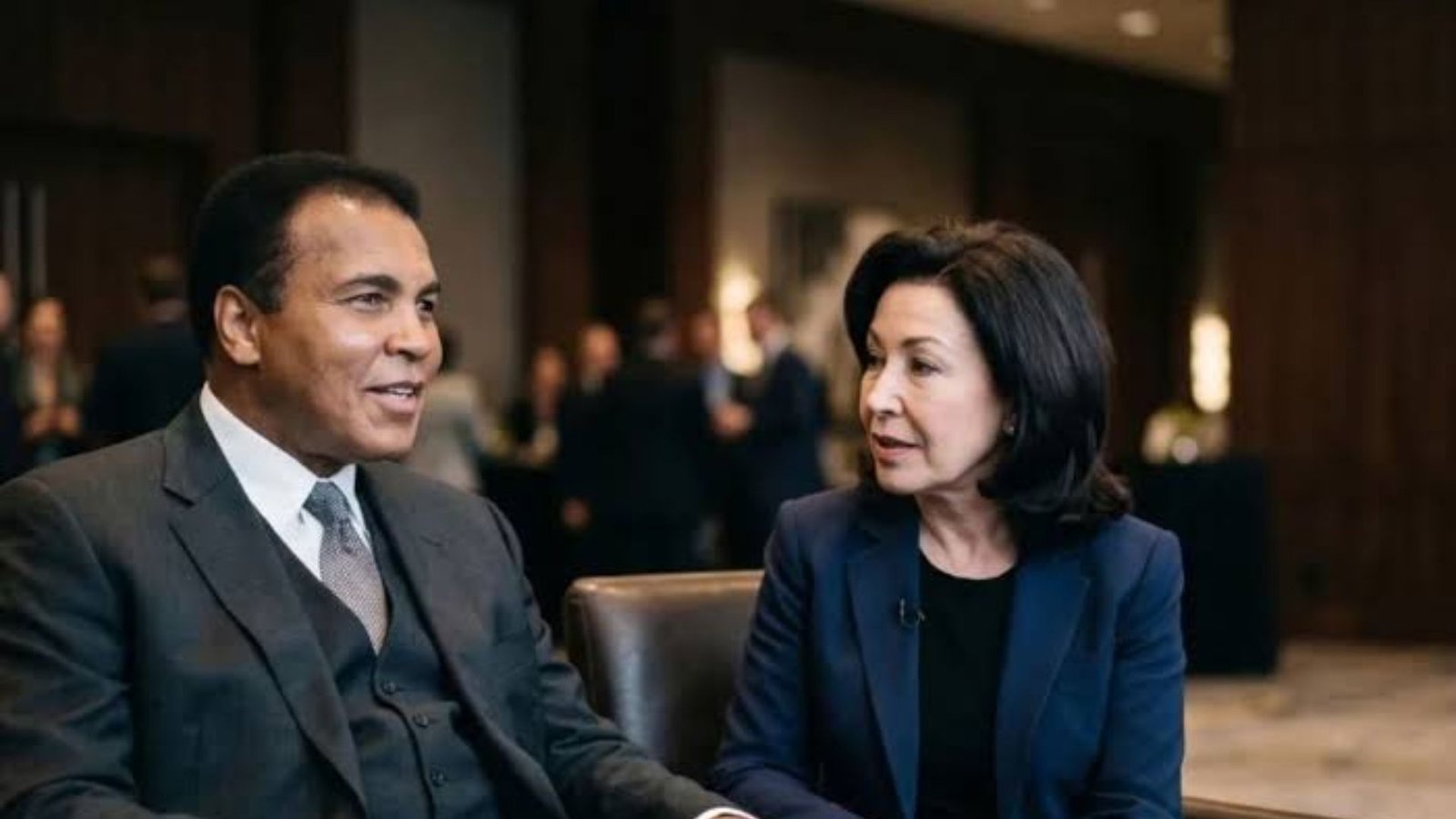
Muhammad Ali and Safra Catz are two famous personalities with very different careers. Ali was an American boxing champion and activist. He became famous for his powerful punches, confidence, and strong beliefs. Safra Catz is an Israeli-American business executive. She is best known for her leadership at Oracle Corporation. Many people search for Muhammad Ali and Safra Catz together. However, their backgrounds and professional lives show no verified connection. Their achievements have made lasting marks in different industries.
Muhammad Ali built his legacy through boxing and activism. Safra Catz earned recognition through business and technology leadership. Both achieved remarkable success in their fields. Their net worth figures also attract public interest. However, Ali’s exact wealth at death remains unclear. Catz’s estimated net worth varies across online reports. This article examines their careers, personal backgrounds, achievements, and financial success. It also explains why people search for their names together. Most importantly, it separates verified facts from online speculation.
Are Muhammad Ali and Safra Catz Related?
No verified evidence connects Muhammad Ali and Safra Catz. Their public biographies reveal different family backgrounds. They also followed completely separate professional paths.
Muhammad Ali was born in Louisville, Kentucky. His birth name was Cassius Marcellus Clay Jr. His parents were Odessa Grady Clay and Cassius Marcellus Clay Sr. He grew up in a working-class American family.
Safra Catz was born in Holon, Israel. She moved to America during childhood. Her professional journey later focused on finance. Eventually, she became a major technology executive.
Their different backgrounds provide useful context. However, birthplace alone cannot prove separation. Researchers must examine actual family records. They should also check reliable biographical information.
Here are the important distinctions:
- Family relationship: No verified family connection appears.
- Marriage: No documented marital connection exists.
- Business relationship: No verified shared business project appears.
- Personal connection: No reliable meeting record establishes one.
- Professional relationship: Their careers developed independently.
Neither Oracle Corporation nor Ali’s biographies establish ties. Therefore, claims suggesting a connection need evidence. A repeated internet claim isn’t sufficient proof.
Who Was Muhammad Ali?
Muhammad Ali was an American professional boxer and activist. Many consider him boxing’s greatest heavyweight champion. His achievements reached far beyond sporting competition.
Born on January 17, 1942, Ali changed boxing. His speed challenged traditional heavyweight fighting styles. His confidence also attracted worldwide public attention. However, his influence extended beyond championship victories.
He became an important voice during social change. His religious beliefs shaped several major decisions. His opposition to the Vietnam War brought controversy. Nevertheless, millions admired his personal courage.
Read Also: Diane von Furstenberg and Jake Gyllenhaal: What Connects Them?
His Rise to Boxing Fame
Muhammad Ali became famous through extraordinary boxing performances. His journey started in Louisville, Kentucky, during childhood.
At twelve, young Cassius Clay discovered boxing. He trained seriously and developed remarkable athletic skills. His amateur career brought several important victories. In 1960, he represented America in Rome.
Muhammad Ali won Olympic gold in the light heavyweight division.
Ali won an Olympic Gold Medal in 1960. He competed in the Light Heavyweight Division. Soon afterward, he entered professional boxing.
His professional debut happened on October 29, 1960. He defeated Tunney Hunsaker through a decision. Trainer Angelo Dundee later became his trusted coach. Together, they developed a remarkable fighting partnership.
Ali reached another milestone during February 1964. He defeated heavyweight champion Sonny Liston unexpectedly. This victory made him a worldwide sporting personality. Soon afterward, he announced his Islamic faith. He also adopted the name Muhammad Ali.
His professional achievements included several historic victories:
- Professional record: 56 wins and five losses.
- Knockouts: 37 victories through knockouts.
- Championships: Three lineal heavyweight championship reigns.
- Famous opponent: Sonny Liston.
- Historic fight: The 1974 Rumble in the Jungle.
- Opponent: George Foreman.
The Rumble in the Jungle became legendary. Ali defeated Foreman in Kinshasa, Zaire. His famous rope-a-dope strategy surprised many observers. This victory restored his heavyweight championship status.
Ali retired from professional boxing during 1981. His sporting achievements influenced generations of fighters. His style remains recognizable throughout boxing history.
His Stand Against the Vietnam War
Muhammad Ali refused military induction because of his beliefs. His decision created enormous controversy across America.
In 1964, Ali initially failed military testing. Revised standards made him eligible during 1966. However, he opposed the Vietnam War strongly. His Islamic faith also shaped his position.
On April 28, 1967, Ali refused induction. He declined to step forward three times. Authorities subsequently charged him with draft evasion. His conviction brought serious professional consequences.
Boxing authorities stripped him of championship titles. They also suspended his boxing license. His passport restrictions limited international fighting opportunities. Consequently, he lost several valuable career years.
Ali received a five-year prison sentence. However, he remained free during his appeal. His case eventually reached the U.S. Supreme Court.
On June 28, 1971, the Court overturned his conviction. The justices ruled unanimously in his favor. This decision became important American legal history.
His stand also changed public conversations. Many Americans debated conscience, religion, and military service. Ali became an important figure beyond sports.
His Lasting Legacy
Muhammad Ali’s legacy extends beyond professional boxing. His influence continues through sports and charitable work.
Ali retired officially in 1981. Doctors diagnosed him with Parkinson’s syndrome in 1984. His condition gradually affected his public appearances. Still, he continued supporting humanitarian causes.
His achievements received worldwide recognition during later years. In 1996, he lit the Olympic cauldron. This happened during the Atlanta Olympics opening ceremony. In 1997, he received the Arthur Ashe Award for Courage.
Ali and his wife, Lonnie Ali, supported charitable projects. Together, they established the Muhammad Ali Center. The center promotes respect, understanding, and social responsibility.
His religious and charitable work strengthened his reputation. He became a symbol of courage worldwide. His story continues inspiring athletes and activists.
Ali died on June 3, 2016. He was 74 years old. His historical legacy remains deeply significant today.
Who Is Safra Catz?
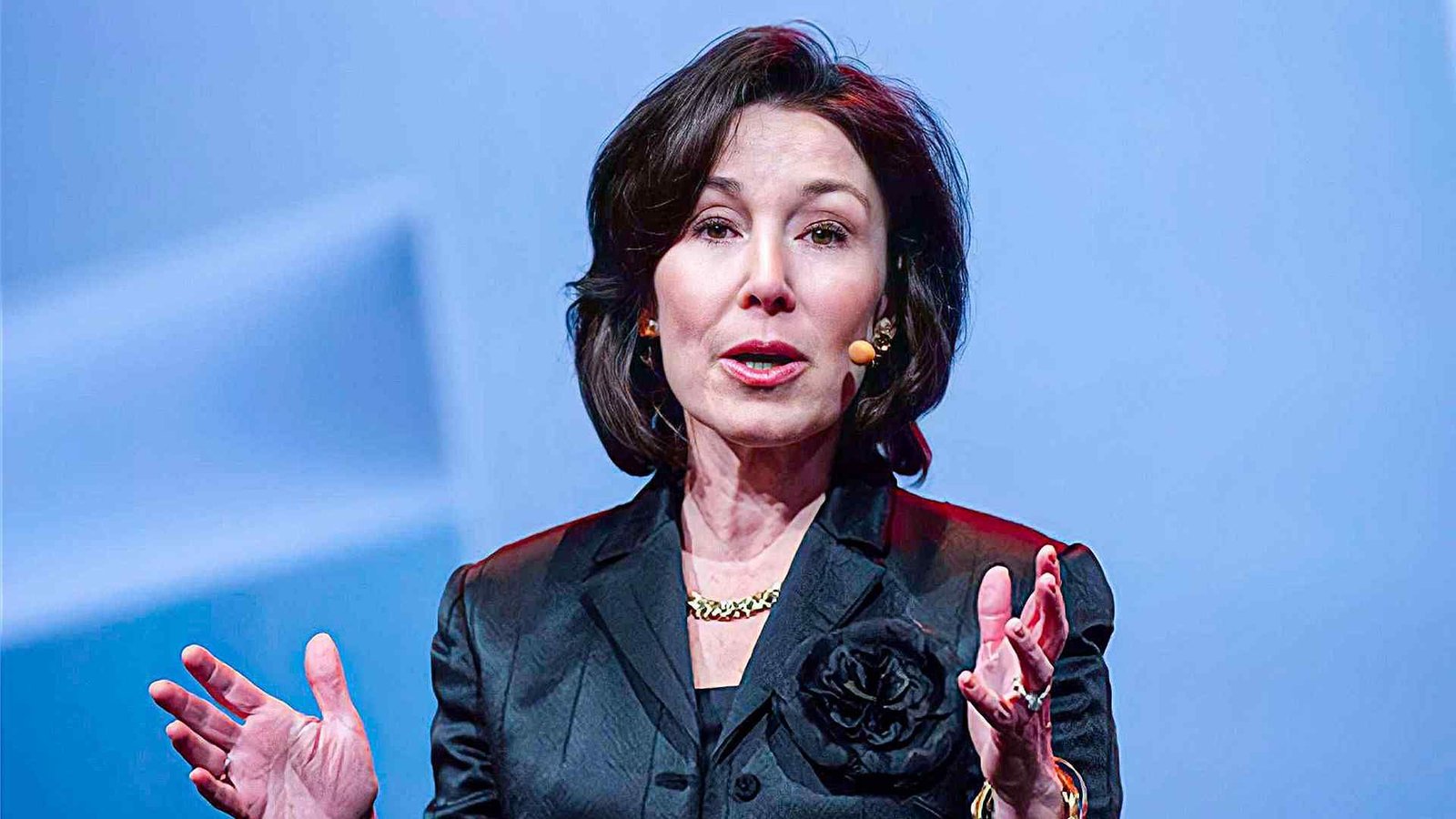
Safra Catz is an Israeli-American business executive. She became widely known through Oracle’s leadership.
Born on December 1, 1961, Catz grew up internationally. Her family moved from Israel to America. She later built an impressive financial career.
Oracle Corporation became the defining part of her professional journey. She joined the company in 1999. Over time, she held several executive positions. Her work influenced major corporate acquisitions and strategy.
Catz became particularly influential in enterprise technology. Her leadership involved financial planning and operations. She also helped guide Oracle’s business expansion. Her career provides an example of corporate leadership.
Education and Early Career
Safra Catz studied business and law in Pennsylvania. Her education prepared her for financial leadership.
She attended the Wharton School at the University of Pennsylvania. She earned her undergraduate degree in 1983. Later, she completed her law degree. Penn Law awarded her degree in 1986.
Her academic background combined finance and legal knowledge. These skills later supported complex business decisions. They also helped her understand corporate transactions.
After graduation, Catz joined Wall Street. She worked at Donaldson, Lufkin & Jenrette. The investment bank provided valuable industry experience.
She eventually became a managing director there. Her work involved technology companies and financial transactions. She gained experience with mergers and acquisitions. This background prepared her for Oracle’s challenges.
Her early career developed several important strengths:
- Financial analysis and investment banking.
- Corporate transactions and acquisition planning.
- Legal knowledge and business strategy.
- Technology industry research.
- Executive decision-making and operational skills.
These abilities became central to her corporate career. They also shaped her professional influence at Oracle.
Her Leadership at Oracle
Safra Catz joined Oracle in April 1999. She gradually became one of its strongest executives.
Her first major position was senior vice president. She later became an Executive Vice President. In 2001, she joined Oracle’s Board of Directors.
In 2004, Oracle appointed Catz president. She also served as Chief Financial Officer. Her responsibilities included financial planning and operations.
Her leadership timeline includes several important milestones:
| Year | Career milestone |
| 1999 | Joined Oracle Corporation |
| 2001 | Joined the Board of Directors |
| 2004 | Became company president |
| 2005 | Took a Chief Financial Officer role |
| 2014 | Became co-CEO with Mark Hurd |
| 2019 | Became sole CEO after Hurd’s death |
| 2025 | Became Executive Vice Chair |
Larry Ellison remained an important Oracle leader. He stepped down as CEO during 2014. Catz and Mark Hurd then shared leadership responsibilities.
After Hurd died in October 2019, Catz continued alone. She became Oracle’s sole Chief Executive Officer.
Her leadership coincided with major industry changes. Cloud Computing became increasingly important worldwide. Oracle expanded its enterprise software and cloud services. Corporate Acquisitions also supported its business strategy.
In September 2025, Catz changed positions. She moved from CEO to Executive Vice Chair. Oracle’s official records confirm this transition. She is not the company’s current CEO.
Her Professional Influence
Safra Catz’s influence reaches beyond Oracle Corporation. Her experience includes several important organizations.
Her corporate responsibilities demonstrate broad business experience. She served on multiple boards and committees. These positions involved governance and strategic oversight.
Some notable professional associations include:
- HSBC Holdings: Previously served as a board member.
- The Walt Disney Company: Served as a director.
- Paramount Skydance: Serves on its board.
- In-Q-Tel: Serves on its Board of Trustees.
- Oracle Education Foundation: Has served as chair.
- Stanford Graduate School of Business: Has served as a lecturer.
Her work combines finance, technology, and management. She also developed experience with large acquisitions. These responsibilities strengthened her corporate leadership reputation.
Her professional influence differs from Ali’s influence. Ali became famous through sports and activism. Catz built her reputation through executive decisions. Both careers demonstrate different forms of achievement.
Muhammad Ali and Safra Catz: A Comparison
Muhammad Ali and Safra Catz achieved success differently. One changed professional boxing and American culture. The other influenced enterprise technology and corporate management.
Their backgrounds reveal two separate professional worlds. Ali built his reputation through sporting achievements. Catz developed hers through finance and leadership. Their stories offer interesting lessons about influence.
Muhammad Ali vs. Safra Catz: Key Differences
| Category | Muhammad Ali | Safra Catz |
| Main profession | Professional boxer | Business executive |
| National background | American | Israeli-American |
| Birthplace | Louisville, Kentucky | Holon, Israel |
| Birth year | 1942 | 1961 |
| Main industry | Professional boxing | Enterprise technology |
| Education | Central High School | Wharton and Penn Law |
| Major achievement | Three-time lineal heavyweight champion | Longtime Oracle executive |
| Famous organization | Muhammad Ali Center | Oracle Corporation |
| Leadership style | Public confidence and conviction | Financial and operational leadership |
| Historical influence | Sports and social activism | Business and technology |
| Famous association | George Foreman | Larry Ellison |
| Major legacy | Boxing and humanitarian work | Corporate leadership |
Different Paths Toward Success
Ali’s career depended on physical preparation. His training demanded discipline and determination. He developed unusual speed for heavyweights. His confidence became part of his identity.
Catz followed a different professional route. Her strengths came from financial and legal training. She developed expertise in corporate transactions. Her decisions influenced major business operations.
Their professional environments were also different. Ali competed before millions of sports fans. Catz worked within complex corporate structures. One attracted public attention through competition. The other gained recognition through executive responsibilities.
Did Their Careers Ever Overlap?
There is no verified professional collaboration between them. Ali’s career focused on sports and activism. Catz’s career centered on finance and technology.
Their timelines overlapped during several decades. However, overlapping lifetimes don’t establish relationships. Their professional achievements developed independently.
The comparison highlights an important distinction. Similar influence doesn’t mean shared personal history. Both achieved recognition through different industries.
Why Do People Search for Muhammad Ali and Safra Catz Together?
People may search for these names because of online associations. However, available public evidence doesn’t establish one specific cause.
Search engines sometimes group unrelated famous personalities. Their algorithms examine names, topics, and page content. Consequently, unusual combinations can appear in results.
Several possible explanations deserve consideration.
Name matching: Search engines identify matching words across websites. The names may appear within related content. That doesn’t establish any personal relationship.
Shared directories: Some websites list many famous personalities together. These directories may contain unrelated individuals. Their appearance together creates misleading associations.
Content mirroring: Low-quality biography websites sometimes copy information. Other websites then rewrite those same articles. Errors can spread across multiple search results.
Public curiosity: Readers often investigate unusual celebrity combinations. They want to uncover possible family or business connections. Sometimes, however, no meaningful connection exists.
One example involves the names Ali and Safra. The Michael J. Fox Foundation has published material. Its Founders Council includes Lonnie and Muhammad Ali. It also mentions Lily Safra, a different person. Lily Safra and Safra Catz aren’t interchangeable names.
This distinction matters when researching famous personalities. Similar names can confuse readers and search engines. Researchers must identify the correct individual first.
Online Mentions Are Not Proof of a Relationship
Two names appearing together prove only shared mention. They don’t establish friendship, marriage, or business partnerships.
Imagine a website discussing ten influential people. Two names might appear within its introduction. That doesn’t mean those people ever met.
Reliable relationship evidence requires stronger documentation. Researchers should examine original and trustworthy records.
Useful evidence can include:
- Official biographies identifying both individuals.
- Company filings documenting shared business activities.
- Court records showing relevant personal relationships.
- Direct interviews discussing an actual meeting.
- Historical documents identifying a joint project.
- Reliable photographs with confirmed dates and context.
For example, a company filing might document ownership. A direct interview might confirm a professional meeting. Such evidence provides meaningful historical context.
However, a shared search result proves nothing. Evidence matters more than repeated online claims.
Similar Prominence Does Not Mean Shared History
Muhammad Ali and Safra Catz reached different professional heights. Their success doesn’t establish a common history.
Ali became a global sporting personality. His influence extended into politics and culture. Millions followed his championship fights and public statements.
Catz became influential within enterprise technology. Her work involved financial decisions and acquisitions. She helped manage Oracle through industry changes.
Their professional timelines also provide important context. Ali achieved heavyweight fame during 1964. Catz joined Oracle in April 1999. She became its CEO in September 2014.
These careers developed in different professional environments. Their industries rarely shared direct responsibilities.
Both remain influential figures in their fields. Nevertheless, professional importance doesn’t establish personal connections.
Uncertainty Should Remain Visible
Researchers should distinguish missing evidence from proven impossibility. This distinction protects biographical accuracy and reader trust.
No reviewed reliable source documents their relationship. That conclusion reflects available public information. It doesn’t prove every possible private interaction impossible.
Responsible reporting uses carefully measured language. For example, consider these two statements:
- Unsupported: They definitely never met.
- Careful: No verified meeting has been documented.
The second statement reflects available evidence more accurately. It also leaves room for future discoveries.
If credible evidence appears, researchers should reassess. Historical conclusions must follow reliable new information. Until then, speculation shouldn’t replace documented facts.
What Their Stories Teach Us About Influence
Ali and Catz demonstrate two different forms of influence. Their careers offer valuable lessons about achievement.
Although their professions differed, several themes connect their stories. These themes involve discipline, courage, preparation, and responsibility.
1. Preparation Builds Lasting Success
Ali developed his abilities through years of training. His Olympic success demonstrated serious athletic preparation. His confidence rested on genuine sporting ability.
Catz developed expertise through education and experience. Her financial background supported complex corporate responsibilities. Preparation helped her manage important business decisions.
Both examples show preparation behind public achievements.
2. Personal Convictions Can Carry Serious Costs
Ali refused military induction during the Vietnam War. His decision cost him valuable boxing years. He also faced conviction and public criticism.
Catz faced different professional challenges at Oracle. Corporate leadership involves financial and operational risks. Important decisions can affect employees and investors.
Their experiences show different responsibilities. Personal convictions and executive judgment carry consequences.
3. Institutions Can Extend Individual Contributions
Ali’s influence continues through charitable organizations. The Muhammad Ali Center preserves his values. It also supports education and public understanding.
Catz contributed to Oracle’s long-term corporate development. The Oracle Education Foundation supports educational initiatives. These institutions carry work beyond individual careers.
4. Influence Takes Many Forms
Ali inspired people through public courage. His sporting achievements created worldwide recognition. His activism expanded his cultural influence.
Catz influenced organizations through financial leadership. Her executive decisions shaped corporate operations. Her work demonstrates less visible influence.
Neither form requires the same public attention. Both can create lasting professional impact.
The Importance of Accurate Biographical Research
Accurate biographical research protects readers from misinformation. It also prevents false stories about public figures.
Famous personalities often attract inaccurate online information. Some websites repeat outdated professional details. Others publish conflicting educational or family claims.
Safra Catz provides a useful example. Older biographies may still identify her as CEO. However, Oracle confirmed her September 2025 transition. Her current title is Executive Vice Chair.
How to Verify Biographical Information
Use these practical steps before accepting claims.
1. Find Primary Sources
Start with official biographies and institutional records. These sources provide stronger factual foundations. For example, Oracle publishes Catz’s executive biography. Government archives preserve important historical information about Ali.
2. Check Independent Sources
Compare information across reputable publications and institutions. Two copied articles aren’t independent confirmation. Look for genuinely separate reporting and research.
3. Confirm Dates and Professional Titles
Professional positions can change over time. An older biography might contain outdated information. Always check the publication and event dates.
4. Examine Company Filings
Public companies publish important corporate documents. These records help verify executive appointments and responsibilities. SEC filings provide useful information about Oracle’s leadership.
5. Review Court Records
Court records can establish important legal facts. Ali’s draft case offers a historical example. The Supreme Court decision documents its legal outcome.
6. Check Direct Interviews
Interviews can provide valuable personal information. However, context and authenticity still matter. Confirm who conducted and published the interview.
7. State Uncertainty Honestly
Never present speculation as established history. Explain when information remains unavailable or unconfirmed. This approach protects readers and professional credibility.
Why E-E-A-T Matters for Biographical Articles
Experience, Expertise, Authoritativeness, and Trustworthiness matter. These principles help readers evaluate online information.
A strong biography should demonstrate clear research standards. It should also explain important factual claims. Reliable sourcing improves the reader’s overall experience.
For this topic, several details deserve special attention:
- Ali’s boxing record and championship achievements.
- His military draft case and Supreme Court decision.
- Catz’s education and professional appointments.
- Oracle’s official executive leadership records.
- Verified evidence concerning any alleged relationship.
Good research doesn’t mean collecting endless information. It means finding relevant facts and checking them. Accuracy should always come before sensational headlines.
FAQ’s
Are Muhammad Ali and Safra Catz related?
No reliable public source establishes a family relationship, marriage connection, or business partnership between Muhammad Ali and Safra Catz through documented biographical information available.
Did Muhammad Ali Ever Work With Safra Catz or Oracle?
Ali did not have a documented working relationship with Catz or Oracle. His career centered on boxing, activism, and charitable work rather than enterprise technology.
Who Is Safra Catz?
Safra Catz is an Israeli-American executive who joined Oracle in 1999, served as CEO from 2014 until 2025, and serves as Executive Vice Chair.
Is Safra Catz Still the CEO of Oracle?
No. She left that position in September 2025, becoming Executive Vice Chair while Oracle appointed two new chief executives.
What Was Muhammad Ali’s Boxing Record?
Muhammad Ali recorded 56 wins, five losses, and 37 knockouts across 61 professional fights. His record remains among boxing’s most famous.
Conclusion
Muhammad Ali and Safra Catz have achieved success in different fields. Ali became a world-famous boxing champion and activist. He inspired millions through his courage and strong beliefs. Safra Catz built her career in business and technology. Her leadership helped shape Oracle’s growth. Although people search for their names together, no verified connection exists between them. Their family backgrounds and professional lives remain separate. Both have also attracted interest in their personal wealth. However, Muhammad Ali’s exact net worth at death remains unclear. Safra Catz’s estimated net worth varies across public reports.
The story of Muhammad Ali and Safra Catz shows two different paths to success. Ali changed boxing history through his talent and determination. Catz earned respect through years of business leadership. Their achievements deserve recognition on their own. There is no reliable evidence of a family, personal, or business relationship. Their names appearing together online doesn’t prove otherwise. Readers should always check facts before believing unusual claims. Their individual legacies remain impressive without any connection.

QuotesRipple is a collection of inspiring quotes and thoughtful sayings, managed by Ryan Mitchell, an SEO content writer with 2 years of experience, dedicated to publishing motivational content that leaves a lasting impression.
1 thought on “Muhammad Ali and Safra Catz: Are They Connected?”